
Carter’s Corner: Advice from a Dog’s Perspective
By Pooler Magazine··4 min read
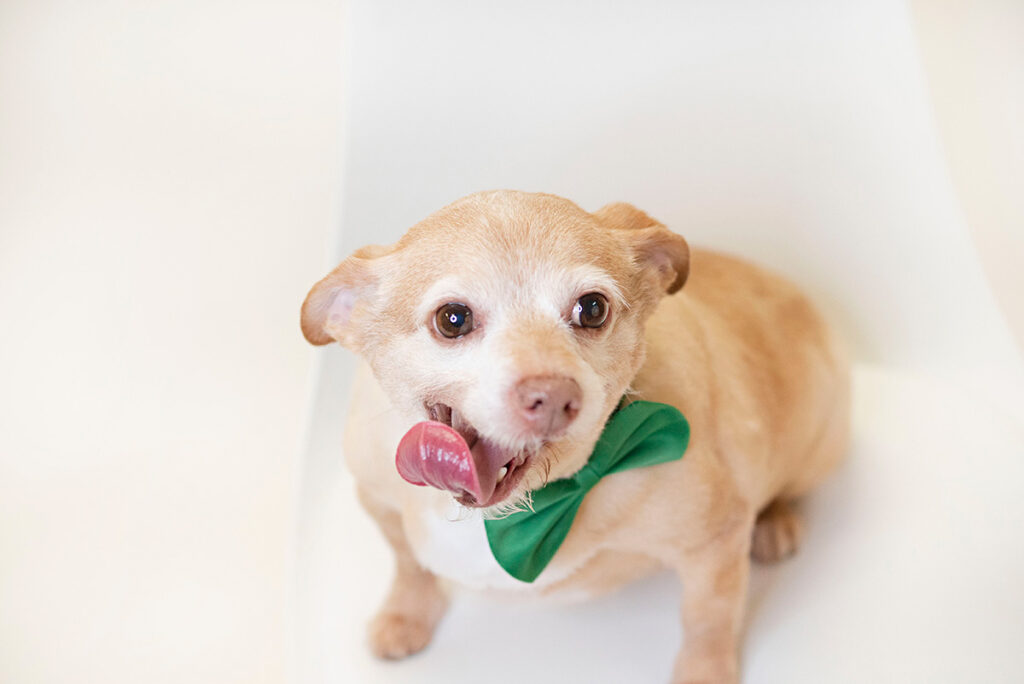
Carter’s
Corner: Advice from a Dog’s Perspective
A TUG OF WAR
Dear Carter,
I love pulling on the leash when we go for
walks. My mom pulls back at me and then I know the game is on—I pull even
harder. I love it. But my mom shouts my name a lot and yanks sharply on the
leash. I’m not sure if she’s playing with me or telling me I’m doing something
she doesn’t like. Can you help me understand what’s going on?
– Elbert, Kissimmee, FL
Dear Elbert,
Yes I can. The old tug-of-war is a fun game
to play with a human but I don’t think walk time is the best time. I think your
mom wants you to walk with what is called a “slack” leash. That’s when the
leash is not pulled tight the entire time during your walk. I am a very
intelligent dog, and educated—I’m obedient and can type and read, among other
things. But lots of dogs need cues and clear directions from humans to do
things their way. And I think you are a little confused about your mom’s
actions and what you are expected to do.
There are lots of good training websites
available, many good books and excellent trainers for your mom to consult to
help you understand her. She has obviously given you some mixed signals about
pulling. The key for a human is to praise you when you allow slack in the
leash when you are on a walk. And we all love praise, don’t we? To get that
special head rub or a smile from a human is a special thing for us. One method
is for your mom to immediately walk in a different direction when you start to
pull. Then, when you start to walk to catch up with her, there will be slack on
the leash and your mom will praise you. When you get out in front again and
start pulling— boom!—she should change direction and again the leash will
slacken until you catch back up. All of this is designed to train you to leave
that “slack” in the leash and not to pull. Other methods involve the human not
moving when you pull and waiting you out. The human only starts walking when
you aren’t pulling. Now, he or she must praise you when there is slack in the
leash, so you get the idea. These training methods take time and your mom’s patience,
however, so don’t be disappointed if it takes a while for you to catch on. Good
luck!
A MOVE ON THE HORIZON
Dear Carter,
I’m seeing a lot of boxes around our house
lately. It’s making me very anxious. Are my owners leaving me?
– Phineas, a feline from Bloomingdale
Dear Phineas,
Many families are selling their homes right
now. The market is hot! This can be very stressful for the family pet. Maybe
you can share some of this advice with your owners so they can make your
transition smoother and you can look forward to a happy new house where you can
stretch and take a good cat nap.
1. Decide how you will move your pet. Is it
a car ride? Do you have a crate to keep them save while traveling? This can
reduce their level of anxiety if they are secure and safe during the trip.
2. Keep your pet in a comfortable, safe
space on moving day. Consider boarding your pet or hiring a pet sitter for that
day. You may also put them in one of the empty rooms until you are ready to
transport your furry friend to your new home.
3. Maintain your pet’s routine. In the days
and weeks leading up to your move and the time after you move in, it is important
to keep the daily routine as consistent as possible. Take them on their regular
walks, feed them their favorite foods and keep their bed and toys around so
they begin to feel some normalcy among the chaos that is moving to a new home.
More local stories

Hurricane Season Is Here

The Moment You Realize You’ve Become “The Voice in Their Head”
