
Are You Concerned About Your Baby’s Head Shape? Chatterbox Pediatric Therapy
By Pooler Magazine··3 min read
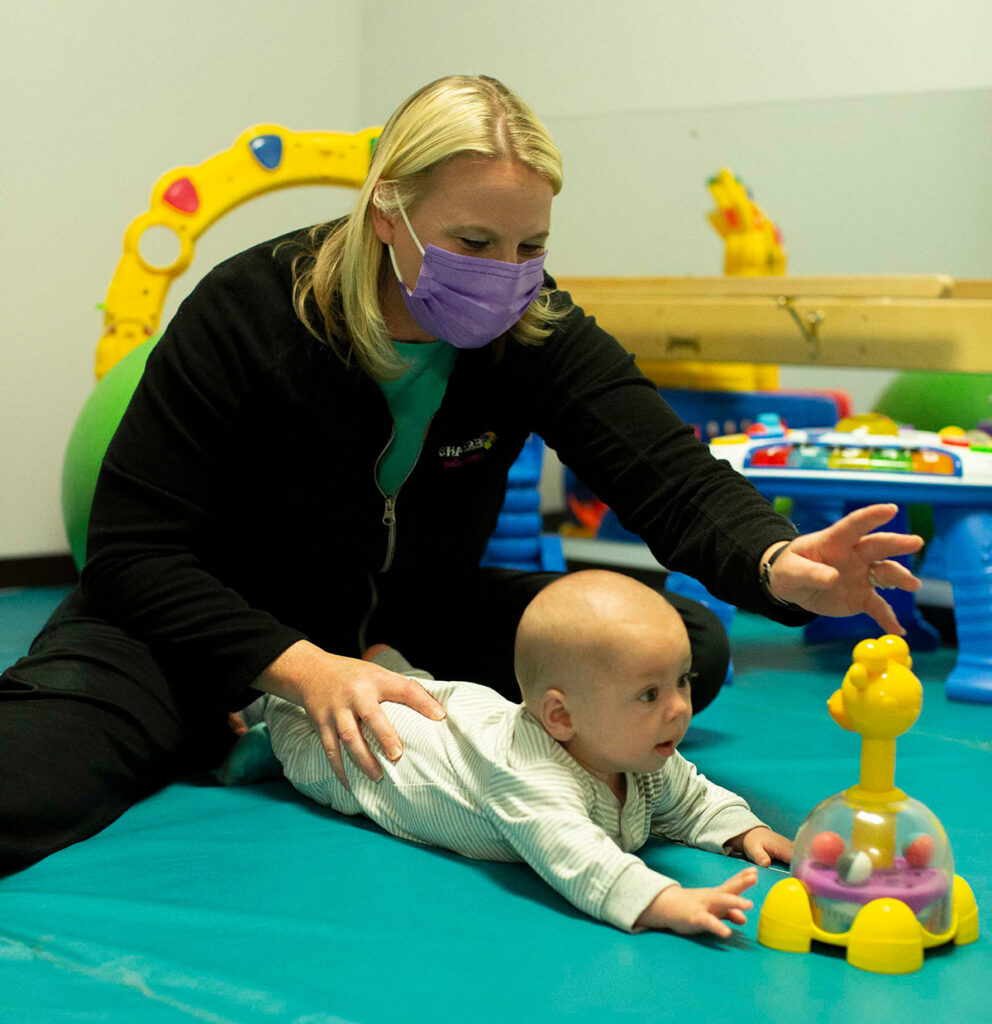
Chatterbox Pediatric Therapy
Babies are
prone to developing flat spots on their head because their skull has not fully
hardened and are composed of several soft, flat bones that are not yet fused
together. Because newborns have limited head control, they are susceptible to
having extra pressure on their head leading to flat spots. The two most common
diagnoses associated with flattening of the skull include plagiocephaly and
brachycephaly.
- Plagiocephaly –Flattening of
the side of the skull commonly related to baby lying on their back with head
turned to side - Brachycephaly – Flattening of
the back of the skull commonly related to baby lying on their back for too long
If
plagiocephaly/brachycephaly is not treated early, it may lead to facial
asymmetries that include: uneven eyes, uneven ears, and a jaw shift. Facial
asymmetries and plagiocephaly/brachycephaly may be associated with Torticollis
(muscle tightness in the neck which may present with a lean to one side or
rotation to one side).
How Can Physical Therapy Help?
Physical
therapists are trained in evaluating, assessing, and treating postural
abnormalities that are associated with plagiocephaly and brachycephaly. We use
our skills to assess muscle development, head shape, facial asymmetries and
developmental milestones. The following will be completed during evaluations
and treatments in order to provide the best care and resources for you and your
child:
1. Educate on how to position your
baby throughout the day to prevent further flattening
2. Provide tips and tricks to
improve tolerance to tummy time in order to decrease pressure on your baby’s
head
3. Assess for Torticollis and
muscle development. We can provide safe stretches if there is a lack in
mobility
4. Assess gross motor development
to ensure your baby reaches the appropriate milestones
5. Monitor skull shape to
determine if an orthotic (such as remolding helmet) is needed
The best
outcomes for improving head shape and posture occur when intervention is
started early, preferably by the age of 3-4 months. The earlier you seek
intervention, the more time there is to provide education related to
positioning, stretches, posture, and motor development. Older infants are often
on the move, which makes providing stretches more difficult. They also may
develop compensatory patterns or asymmetrical movement patterns, which can be
prevented with early treatment.
How Can I Prevent Plagiocephaly and Brachycephaly?
Flattening of
the skull can occur during pregnancy or following birth. The following are some
ways that you can prevent potential flattening of the skull after birth.
- Implement tummy time as soon as
possible. This allows your baby to improve muscle strength while also reducing
pressure on their head. Supervised tummy time during waking hours is a great
way to interact and play with your baby. - Limit time spent in
“containers,” such as car seats, bouncers, swings, and strollers. These
“containers” limit their movement which can lead to flattening of their skull. - Frequently change the position
of your baby throughout the day. This will prevent them from developing any
preferences while also allowing them to interact in new ways within their
environment.
If you are
concerned about your baby’s head shape, please reach out and come see us at
Chatterbox. We are happy to assess your concerns and develop a plan to assist
you and your child.
www.chatterboxpeds.com
912-988-1526
More local stories

Hurricane Season Is Here

The Moment You Realize You’ve Become “The Voice in Their Head”
